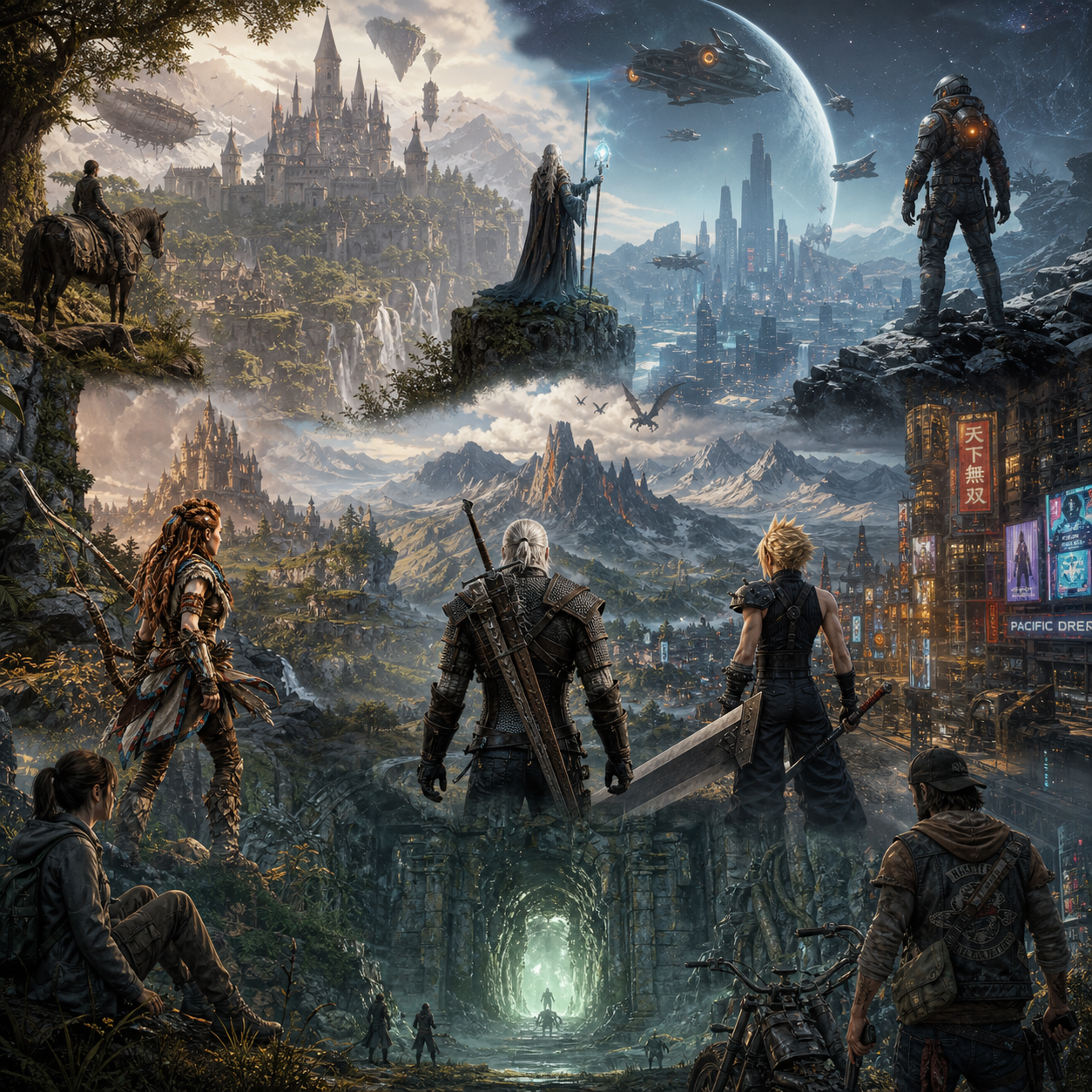


The Evolution of Multiplayer Gaming: From LAN Parties to Cloud Gaming
Introduction to Multiplayer Gaming
Multiplayer gaming is the experience of multiple people playing video games together, either cooperatively or competitively. It has captivated players for decades by combining social interaction with interactive challenges, making it a deeply engaging form of entertainment. Multiplayer gaming allows friends and strangers alike to connect, compete, and collaborate, which is why it remains a cornerstone of the gaming world.
From simple two-player games to massive online worlds hosting millions simultaneously, multiplayer modes have continuously evolved alongside technology. The appeal lies in human connection—whether through shared victories in local settings or global matchmaking systems.
The Era of LAN Parties
LAN parties were local events where gamers connected computers via a Local Area Network (LAN) to play multiplayer games with minimal latency. These gatherings were extremely popular in the 1990s and early 2000s before the widespread availability of fast internet. LAN parties combined technical setup with social gatherings, creating tight-knit gaming communities.
By linking machines directly, LAN parties avoided the lag and instability common in early online multiplayer gaming, providing a smooth, competitive experience. Players brought their own PCs, shared snacks, and often stayed for hours or days. This fostered a lasting culture of camaraderie and in-person connection that remains fondly remembered.
Key aspects of LAN parties included:
- Use of local network cables and routers connecting multiple computers
- Games optimized for LAN, such as Counter-Strike and Quake
- Strong emphasis on community and physical presence
However, LAN parties required physical proximity and complex setup, limiting participation to smaller groups.
Transition to Online Multiplayer
The shift to online multiplayer was fueled by the rise of broadband internet, which brought high-speed, always-on connections to homes worldwide. Broadband dramatically expanded multiplayer gaming beyond LAN parties by enabling players to connect across cities, countries, and continents.
Early online multiplayer commonly relied on peer-to-peer gaming, wherein each player's device communicated directly with others without centralized servers. This approach allowed for faster setup but presented challenges like cheating and connection instability. Despite this, peer-to-peer was crucial during the infancy of widespread online play.
Broadband also enabled dedicated multiplayer game servers hosted by companies or communities. These servers centralized game data, improving stability, fairness, and scalability. Players could join from anywhere and enjoy consistent gameplay, regardless of others' connection quality.
The evolution from LAN to online multiplayer laid the foundation for modern gaming communities by expanding access and creating persistent shared worlds.
Rise of Dedicated Servers and Matchmaking
Dedicated servers and matchmaking systems revolutionized multiplayer gaming by enhancing stability, reducing cheating, and creating fairer, more enjoyable experiences. Dedicated game servers are specialized computers that host multiplayer matches 24/7, ensuring low latency, reliable connections, and consistent game state.
Matchmaking systems automatically group players based on skill, latency, and preferences, balancing fairness and competitiveness. Unlike manual server browsing in earlier days, matchmaking streamlined how players found games, dramatically improving accessibility.
These infrastructure advances offered:
- Improved fairness through skill-based matchmaking
- Reduced unfair advantages by minimizing peer-to-peer exploits
- Better scalability for massive multiplayer environments like MMOs and battle royales
The shift was crucial for the rise of online titans such as World of Warcraft, Fortnite, and Overwatch, where seamless, fair matches are expected daily.
The Advent of Cloud Gaming
Cloud gaming represents the next frontier by streaming gameplay from powerful remote servers to users’ devices over the internet. Instead of relying on local hardware, players send inputs to cloud servers where the game runs and video streams back in real time.
This technology eliminates barriers such as expensive gaming rigs or downloads, enabling multiplayer gaming on devices like tablets, smartphones, smart TVs, and low-end PCs. Platforms like Google Stadia, NVIDIA GeForce Now, and Microsoft's Xbox Cloud Gaming showcase this approach.
Key benefits of cloud gaming for multiplayer include:
- Instant access without installation or updates
- Cross-device flexibility and mobility
- Scalable server resources for large multiplayer environments
Though cloud gaming requires strong broadband connections and can suffer from latency issues, ongoing improvements in data centers and streaming protocols continue to enhance the experience.
Impact on Gaming Communities and Accessibility
Cloud gaming democratizes multiplayer gaming by making it more accessible to wider audiences regardless of hardware or location. This inclusivity has helped expand gaming communities to diverse demographics and regions underserved by traditional PC or console setups.
Social platforms integrated with cloud gaming enable instant invites, spectator modes, and community-driven content, deepening engagement. Players can join matches with friends seamlessly, benefiting from the matchmaking systems built on cloud infrastructure.
However, some challenges include:
- Dependence on broadband quality limiting rural or low-bandwidth users
- Data privacy and server ownership concerns
- Potential loss of ownership over game copies
Despite these downsides, cloud gaming’s role in shaping future multiplayer experiences is undeniable, especially for growing eSports and cross-platform collaboration.
The Future of Multiplayer Experiences
The future of multiplayer gaming points toward increasingly immersive, interconnected, and flexible experiences. Emerging technologies like 5G internet, edge computing, and AI-powered matchmaking promise lower latency and smarter player grouping.
Virtual reality (VR) and augmented reality (AR) integration combined with cloud streaming will blur lines between players and virtual environments, enabling new forms of social interaction. Additionally, blockchain technology may introduce unique ownership and trading models within multiplayer worlds.
However, as multiplayer gaming evolves, balancing technological advancement with community values and accessibility will remain vital. Clear policies and innovations targeting fair play and inclusivity will shape the next era of global gaming.
FAQ
What were LAN parties and why were they popular?
LAN parties were gatherings where players connected computers on a local network to play multiplayer games together. They were popular because they offered low-latency gameplay and social interaction in a shared physical space before fast internet was widely available.
How did broadband internet change multiplayer gaming?
Broadband internet enabled fast, reliable connections that allowed gamers to play multiplayer online without physical proximity. This shift expanded gaming communities worldwide and supported centralized servers and matchmaking systems.
What is cloud gaming and how does it work?
Cloud gaming streams game content from powerful remote servers directly to a player’s device over the internet. The player’s inputs are sent to the server, which processes the game and streams back video, eliminating the need for high-end local hardware.
Are there drawbacks to cloud-based multiplayer gaming?
Drawbacks include dependence on strong broadband connections, potential latency causing input delays, data privacy concerns, and less control over game ownership compared to downloaded copies.
How has matchmaking evolved over time?
Matchmaking started as manual server browsing but evolved into automated systems that consider player skill, latency, and preferences to create balanced and fair matches, improving the overall multiplayer experience.