

The Psychology Behind Gaming Addiction: Signs, Causes, and Real Solutions
What Makes Games So Psychologically Compelling?
Games are designed to be engaging — and they succeed at this on a neurological level. The combination of clear goals, immediate feedback, and escalating challenges creates an experience that the human brain finds genuinely rewarding. This isn't a flaw in the player; it's the result of decades of intentional game design.
Modern games layer in social elements, narrative depth, and progression systems that keep players invested across hundreds of hours. Unlocking a new ability, climbing a ranked ladder, or completing a story arc triggers real emotional satisfaction. These aren't trivial pleasures — they tap into the same psychological mechanisms that drive learning, achievement, and social bonding in everyday life.
The important takeaway here is that finding games compelling is completely normal. The question isn't whether games affect the brain — they do, and meaningfully — but rather when that engagement tips from healthy enjoyment into something harder to control.
When Fun Becomes Compulsion — Understanding Gaming Addiction
Gaming addiction, clinically framed as Internet Gaming Disorder (IGD), describes a pattern where gaming behavior becomes compulsive, persistent, and significantly disruptive to a person's daily life. The World Health Organization recognized "gaming disorder" in the ICD-11, and while debate continues among researchers about diagnostic criteria, the lived experience of those affected is very real.
The line between passionate hobby and problematic behavior isn't always obvious. A dedicated gamer might spend 30+ hours a week playing without any negative consequences — maintaining relationships, meeting responsibilities, and choosing to step away when needed. That's a hobby. The shift toward compulsive gaming behavior happens when the choice starts to disappear. When gaming becomes the primary coping mechanism, when skipping a session produces genuine distress, or when real-world obligations consistently lose out to screen time — that's where the conversation changes.
Behavioral addiction works differently from substance addiction, but the psychological grip can be just as strong. The dependency develops gradually, which is part of why it's so easy to miss until the pattern is well established.
The Dopamine Loop: The Brain Science Behind the Hook
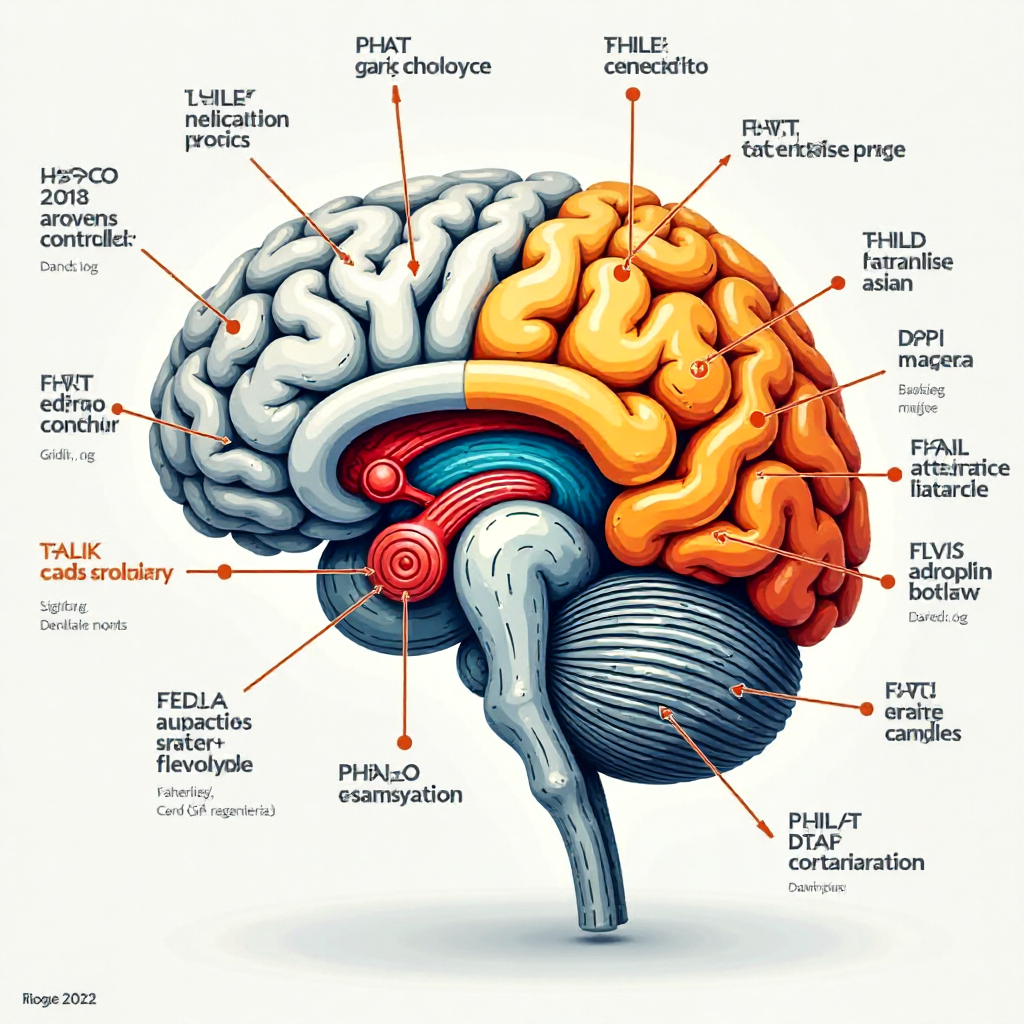
The dopamine reward loop is the core neurological mechanism that makes certain games so difficult to put down. Dopamine isn't just the "pleasure chemical" — it's more accurately the brain's anticipation signal. It spikes when you expect a reward, which is why the moment before a loot box opens or a ranked match result appears can feel more intense than the result itself.
Game designers — often drawing on behavioral psychology research — use variable reinforcement schedules to maximize this effect. Unlike fixed rewards (do X, get Y every time), variable rewards are unpredictable. Sometimes you get a rare drop; sometimes you don't. This unpredictability is the same principle that makes slot machines difficult to walk away from. The brain keeps chasing the next hit of anticipation.
Over time, repeated activation of this loop can recalibrate the brain's baseline reward sensitivity. Activities that don't offer the same rapid, variable feedback — studying, socializing, exercise — start to feel comparatively flat. This isn't permanent, but it does explain why someone deep in compulsive gaming patterns often reports feeling bored or restless when away from screens.
Warning Signs You Shouldn't Ignore
Recognizing the red flags early makes a meaningful difference. These warning signs span behavioral, emotional, social, and physical dimensions — and they're useful whether you're assessing your own habits or concerned about someone else.
- Preoccupation: Thinking about gaming constantly when not playing, or planning the next session during other activities
- Loss of control: Consistently playing longer than intended despite repeated attempts to cut back
- Withdrawal symptoms: Irritability, anxiety, or restlessness when gaming isn't available
- Tolerance: Needing progressively more gaming time to feel the same level of satisfaction
- Neglected responsibilities: Missing work deadlines, academic obligations, or household duties because of gaming
- Relationship strain: Conflict with family or friends about gaming, or withdrawing from social connections
- Escapism as primary motivation: Gaming primarily to avoid negative emotions rather than for enjoyment
- Physical neglect: Disrupted sleep patterns, skipping meals, or ignoring physical health
- Continued use despite consequences: Persisting with gaming even when it's clearly causing problems
One or two of these signs appearing occasionally doesn't constitute a disorder. The concern rises when multiple signs appear consistently and persist over time — typically a period of months, not days.
Who Is Most Vulnerable — and Why
Certain psychological profiles carry higher risk for developing compulsive gaming patterns, though vulnerability doesn't equal destiny. Understanding the risk factors helps contextualize the experience without assigning blame.
People who use gaming primarily for escapism and emotional regulation — managing stress, anxiety, loneliness, or depression through gameplay — are at elevated risk. This isn't because they're weak; it's because gaming genuinely works as a short-term coping tool. The problem is that it can crowd out the development of other, more sustainable coping strategies.
Social isolation is both a risk factor and a consequence. Someone who struggles with in-person social connection may find online gaming communities offer a sense of belonging that feels safer. That's understandable — but when the virtual community becomes the only community, the isolation can deepen even while feeling temporarily relieved.
Adolescents are particularly vulnerable because their prefrontal cortex — the brain region responsible for impulse control and long-term planning — is still developing. This isn't a character flaw; it's neurobiology. Younger players simply have less neurological infrastructure for resisting compelling reward loops. According to research published by the World Health Organization, gaming disorder affects a small but significant proportion of those who game, with adolescent males representing a higher-risk demographic.
Practical Solutions for Getting Back in Balance
Regaining healthy gaming habits is achievable — and most people can make meaningful progress through self-directed strategies before needing professional support.
Screen Time Management
Set hard time limits before starting a session, not after you're already in one. The brain in a flow state is a poor negotiator. Use device-level timers or platform parental controls even as an adult — there's no shame in using the tools available. Aim for natural stopping points: complete the mission, finish the match, then stop.
Scheduled Breaks and Replacement Activities
The goal isn't to eliminate gaming but to ensure it doesn't fill every available hour by default. Schedule specific gaming windows and protect time for physical activity, in-person social connection, and offline hobbies. When gaming time ends, have a defined activity to transition into — this reduces the friction of stopping.
Identify Your Triggers
Keep a simple log for one week: when do you game most, and what's happening emotionally beforehand? Stress, boredom, and loneliness are common triggers. Once you identify the pattern, you can address the underlying need more directly — whether that's a walk, a phone call, or a conversation.
Social Accountability
Tell someone you trust about your goals. A gaming buddy who shares the same values around digital wellness can be more effective than any app. Cognitive-behavioral strategies work better with external accountability built in — the social commitment creates a real consequence for breaking the plan.
When to Seek Professional Help
Self-directed strategies work for many people, but they're not always enough — and recognizing that limit is a sign of self-awareness, not failure.
Consider reaching out to a mental health professional if gaming has significantly damaged relationships or employment, if withdrawal symptoms feel physically intense, if you've tried repeatedly to cut back without success, or if gaming is clearly being used to manage an underlying condition like depression or anxiety that needs direct treatment.
Cognitive-behavioral therapy (CBT) adapted for behavioral addiction is the most evidence-supported approach. It focuses on identifying thought patterns that sustain compulsive behavior and building practical alternatives. Support groups — both in-person and online — can also provide community and accountability in a non-judgmental environment.
Seeking help doesn't mean giving up gaming forever. For many people, the goal of therapy is learning to engage with games as part of a balanced life — not eliminating something they genuinely enjoy.
Frequently Asked Questions
Is gaming addiction officially recognized as a medical condition?
Yes, with some nuance. The World Health Organization included "gaming disorder" in the ICD-11 (2022), and the American Psychiatric Association lists Internet Gaming Disorder as a condition warranting further study in the DSM-5. Researchers continue to refine the diagnostic criteria, but the clinical recognition is real and growing.
How many hours of gaming per day is considered too much?
There's no universal threshold. Hours alone don't define problematic gaming — impact does. Someone gaming four hours daily while maintaining relationships, responsibilities, and physical health is in a different situation than someone gaming two hours who is consistently neglecting all three. Focus on consequences, not the clock.
Can someone enjoy gaming responsibly without becoming addicted?
Absolutely. The vast majority of people who game — including those who play frequently and competitively — never develop compulsive patterns. Healthy gaming habits, self-awareness about motivations, and maintaining a full life outside of screens are the key protective factors.
What role do parents play in preventing gaming addiction in children?
A significant one. Collaborative screen time agreements (rather than unilateral bans) tend to work better with older children and teens. Staying engaged with what kids are playing, modeling balanced digital habits, and ensuring gaming doesn't replace physical activity or in-person socializing are all practical starting points.
Are certain game genres more addictive than others?
Genres that combine variable reward schedules, social pressure, and indefinite progression — massively multiplayer online games (MMOs), battle royale titles, and some mobile games — tend to carry higher risk. However, the individual's relationship with gaming matters more than the genre. Any game can become problematic if it's being used to fill a psychological void.