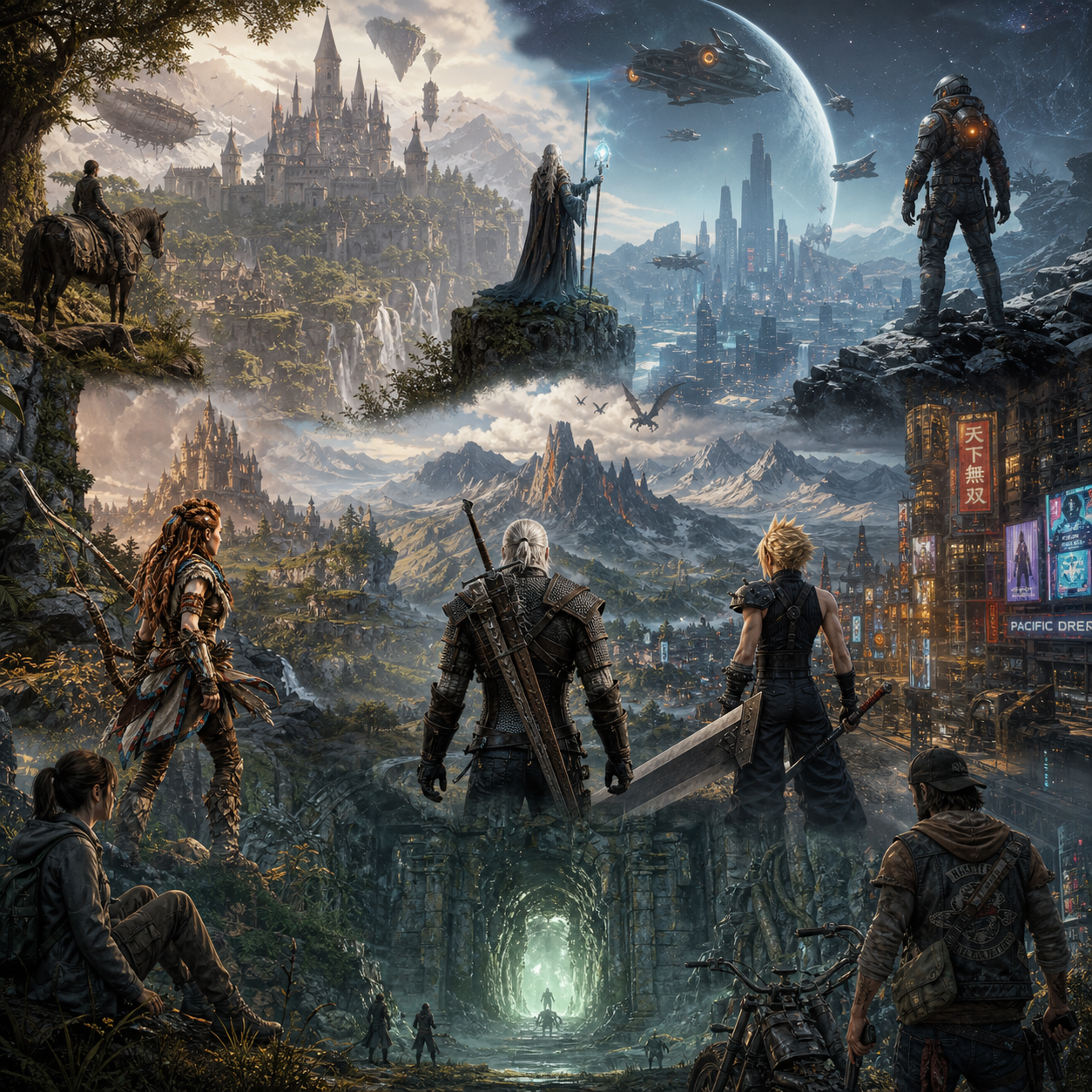


How to Choose the Right Online Game for Your Playstyle
Understanding Different Playstyles
Playstyles describe the unique ways players engage with online games, typically ranging from casual to competitive, cooperative to solo, and exploratory to goal-oriented. Recognizing your primary gaming playstyle helps narrow down games that feel enjoyable and natural.
Casual players prefer relaxed, low-pressure gameplay without intense competition or complex mechanics. Competitive gamers thrive on challenge, ranking systems, and fast-paced mechanics that reward skill. Cooperative playstyles focus on teamwork and social interaction, often in multiplayer modes. Meanwhile, solo players seek immersive single-player experiences or asynchronous engagement. Exploratory players enjoy discovering worlds, lore, and customization options at their own pace.
Understanding these variations will help you choose games that align with how you like to play, ensuring more satisfaction and engagement.
Exploring Popular Online Game Genres
Online game genres categorize games by their core gameplay mechanics and player experiences. Each genre typically appeals to different playstyles and preferences.
For example, Role-Playing Games (RPGs) emphasize character development, narrative choices, and exploration, attracting players who enjoy immersive stories and solo or cooperative play. First-Person Shooters (FPS) offer fast-paced, competitive combat focused on reflexes and precision, ideal for competitive and multiplayer-focused gamers.
Strategy games challenge players to plan and manage resources or units, appealing to those who enjoy thoughtful problem-solving and slower pacing. Simulation games provide realistic or creative experiences, like managing cities or life, favored by casual or exploratory players. Understanding the defining elements of genres helps you identify where your tastes fit best.
Key Factors to Consider When Choosing a Game
The most important factors when selecting an online game include game mechanics, pacing, difficulty, social features, and platform compatibility.
- Game mechanics refer to the rules and systems players interact with—such as combat, crafting, or trading—which shape the gameplay experience. Choose mechanics that resonate with your skills and interests.
- Game pacing and difficulty determine how quickly the action unfolds and how challenging it is. Fast pacing suits competitive or action-focused players, while slower pacing fits thoughtful strategists or explorers.
- Multiplayer modes and social/community features impact how connected you feel while playing. Robust social tools and guild systems suit cooperative players, while solo-friendly games let you opt out of group interactions.
- Platform compatibility ensures the game works on your preferred device and supports cross-platform play if you like gaming with friends on different hardware.
Weighing these factors carefully lets you find a game that fits your lifestyle and maximizes enjoyment.
Matching Game Features to Your Preferences
To align game features with your personal playstyle, evaluate your habits and desires specifically.
Do you usually play in short bursts or long sessions? Casual players may prefer games with quick matchmaking and easy saves, while hardcore gamers might seek deep progression systems. If social connection matters, look for games with active communities, voice chat, or team-based objectives. If you enjoy creativity, prioritize games with extensive in-game customization for characters and environments. Consider whether you want a challenging learning curve or an accessible experience with adjustable difficulty.
Tools like game demos, trailers, and beginner guides can provide hands-on insight before committing. This targeted matching reduces the risk of wasting time on games that don’t hold your interest.
Tips for Trying New Games Safely
Trying new games without frustration requires a thoughtful approach.
- Start with free demos or trial versions to experience gameplay mechanics and pacing firsthand without financial risk.
- Check system requirements and platform compatibility to avoid technical issues that can spoil the experience.
- Read multiple game reviews and watch gameplay videos for an unbiased picture of what to expect, especially regarding difficulty and social features.
- Set time limits initially to prevent burnout and assess if the game fits your playstyle over a few sessions.
Being deliberate and patient when exploring new titles keeps your gaming enjoyable and stress-free.
Utilizing Online Resources for Informed Choices
Online resources provide valuable insight for selecting the right game by offering detailed reviews, player feedback, and gameplay content.
Websites like Metacritic and IGN compile professional reviews and user scores to highlight consensus on quality and appeal. Community forums and Reddit threads reveal honest player experiences about mechanics, difficulty, and multiplayer modes. Watching gameplay videos or live streams on platforms like Twitch and YouTube allows you to witness real-time playstyles and game dynamics, helping you judge if the game's pacing or social features match your preferences.
Leveraging these resources reduces uncertainty and helps discover hidden gems suited to your playstyle.
Balancing Fun and Challenge
The right online game combines enjoyable gameplay with an appropriate level of challenge to keep you engaged long-term.
Choosing a game that’s too easy can lead to boredom, while excessively difficult games cause frustration. Look for titles with adjustable difficulty settings or matchmaking that scales based on your skill, providing a personalized balance. Games with a mix of cooperative and solo content allow shifting between social and independent play, catering to changing moods. Also, consider games that regularly update content or events to keep experience fresh.
Remember, balancing fun and challenge is dynamic—what suits you today might evolve, so remain open to exploring different genres and styles over time.
Frequently Asked Questions
How can I identify my gaming playstyle?
Reflect on your gaming habits: Do you play mostly for relaxation or competition? Do you prefer teaming up with friends or playing alone? Noting which activities feel the most satisfying can clarify your primary playstyle.
What are the best genres for casual vs competitive players?
Casual players often enjoy simulation, RPG, and some strategy games with flexible pacing. Competitive gamers gravitate toward FPS, MOBA, and real-time strategy genres that emphasize skill and fast decision-making.
Are multiplayer games suitable for solo players?
Many multiplayer games offer solo modes or asynchronous play options, allowing solo players to enjoy the experience without relying on teammates.
How do I find games that support cross-platform play?
Check official game information or community resources to confirm platform compatibility. Many popular online games now offer cross-play, enabling friends on consoles, PCs, and mobile devices to play together.
What should I avoid when picking an online game?
Avoid games that don’t match your time availability or skill level, have poor community reputation, or require significant upfront investment without trial options.