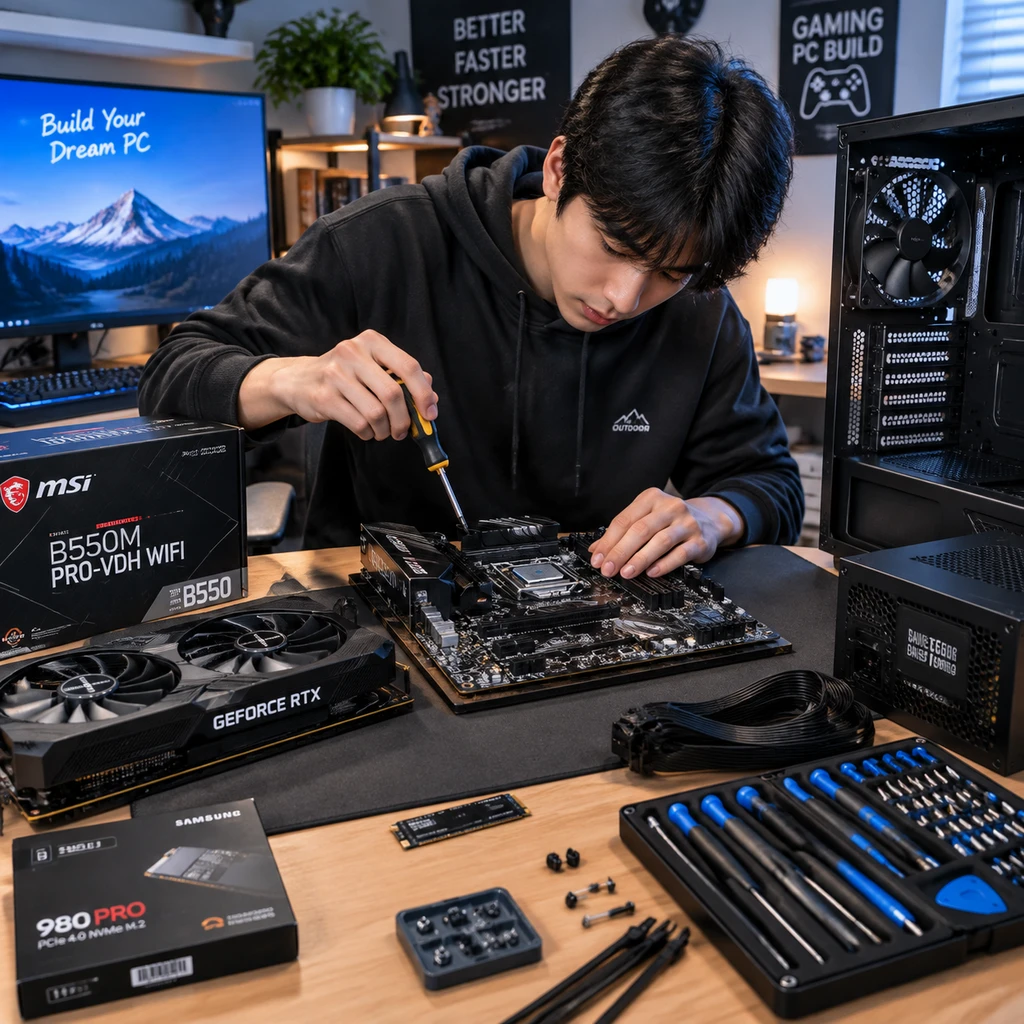


VR Gaming: Is It the Future of Entertainment?
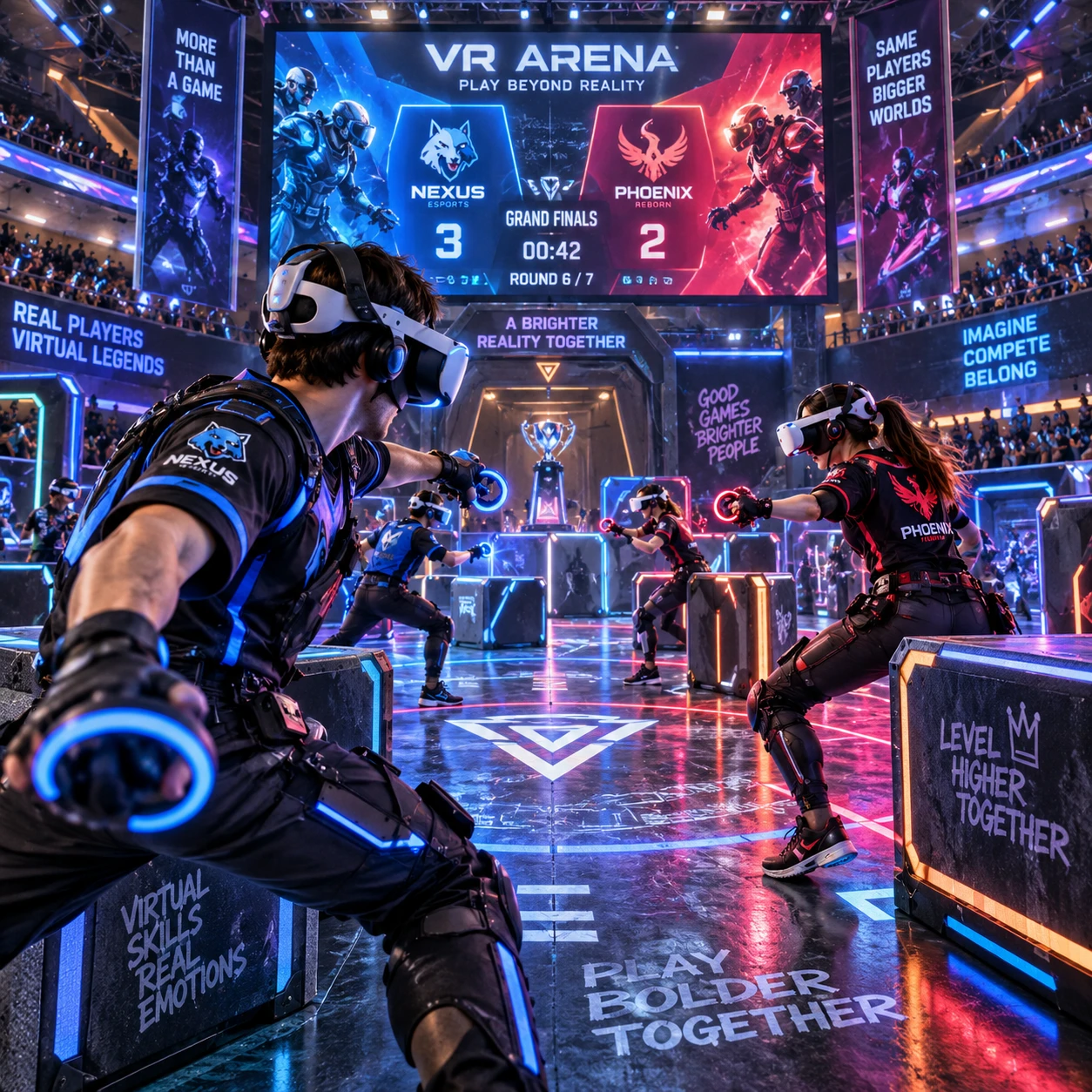
Virtual reality gaming puts players inside a digital environment, where head movement, motion controllers, and physical actions can shape what happens on screen. That direct involvement makes VR exciting, but it also raises a practical question: can a headset become as natural a way to play as a console, PC, or phone?
VR is already a meaningful part of gaming, with experiences built around movement, spatial awareness, and shared virtual spaces. Yet hardware cost, comfort, accessibility, and the size of the VR game library still influence who can play and how often. The most likely future is a broader mix of formats, rather than VR replacing traditional gaming altogether.
What Makes VR Gaming Different?
VR gaming places the player inside a three-dimensional game world, using a headset to track head movement and controllers to translate physical actions into gameplay. Compared with traditional gaming on a flat screen, it can make aiming, reaching, and looking around feel more immediate.
In a screen-based game, you usually control a character from outside the action. In VR, turning your head can reveal an opponent behind you, while moving a controller may let you block a strike or pick up an object. This creates immersive gameplay through a direct connection between the player’s movements and the game’s responses.
That difference changes how developers design challenges. A puzzle might ask you to inspect an object from several angles; a rhythm game may reward accurate arm movements; a shooter may depend on aiming with your hands rather than a mouse or thumbstick. The player’s surroundings and body become part of the interface.
Immersion is not automatic, though. Tracking delays, awkward controls, low-resolution visuals, or movement that does not match what the player feels can interrupt the experience. VR suits games where spatial interaction adds something valuable, while traditional gaming remains more convenient for long sessions, quick matches, and precise inputs such as keyboard play.
Where VR Gaming Is Already Making an Impact
VR gaming is most compelling today in genres that benefit from physical action, spatial awareness, or a strong sense of presence. Rhythm, fitness, action, exploration, simulation, and social games show how a headset can turn movement and viewpoint into core mechanics.
In a rhythm game, players may strike notes as they approach from different directions. In a room-scale adventure, they can lean around a corner or reach for an item. These interactions can make familiar ideas feel fresh, although they may also demand more space and energy than playing with a controller on a sofa.
Social VR offers another kind of appeal. Players can meet in virtual rooms, take part in activities, and communicate through avatars and voice chat. For friends who live far apart, a shared virtual space can feel more engaging than a conventional lobby. It still depends on reliable internet, compatible hardware, and a game that gives the group a reason to return.
The VR game library continues to shape the platform’s appeal. A headset can offer memorable experiences, but buyers also need games they want to play repeatedly. Before choosing a device, check which games it supports, whether it works as a standalone headset or needs a gaming PC or console, and whether the available titles match your interests.
The Potential for Multiplayer and Tournaments
VR can support multiplayer gaming and tournaments by making players’ actions visible in a shared space, creating new ways to compete and communicate. Its strongest competitive opportunities are likely to come from games designed specifically for fair, readable play in a headset.
In a VR match, a player’s aim, timing, movement, or defensive gestures may be part of the contest. That can create a compelling spectacle, especially when each participant’s actions are easy to follow. But physical skill is not enough: competitive games also need consistent tracking, stable connections, clear rules, and systems that treat different hardware setups fairly.
Esports and tournaments face a particular challenge: spectators cannot see exactly what a headset wearer sees unless the event provides a clear broadcast view. Organizers can stream the player’s perspective, add camera angles, or show an in-game observer view. Each option helps, but the game must communicate the stakes quickly to people unfamiliar with its controls.
VR events also require more practical planning than many screen-based tournaments. Players need space to move, equipment checks, and breaks between matches. For event hosts, a useful starting point is to test the full setup with competitors and spectators before scheduling a bracket. If the match is difficult to understand or the equipment is unreliable, spectacle alone will not sustain an audience.
The Challenges Holding VR Back
VR gaming remains limited by hardware cost, physical comfort, accessibility, and the availability of compelling games. These barriers affect not only whether players buy a headset, but also whether they use it regularly after the first few sessions.
A headset may require an upfront purchase, and some experiences depend on a gaming PC or console as well. Prices and requirements vary by device, so compare the full setup rather than the headset alone. Choosing standalone hardware for convenience can mean accepting limits in performance or game selection; choosing a PC-connected model can add cost, cables, and setup work.
Comfort is personal and can change with the game. Headset weight, fit, heat, glasses compatibility, and motion sensitivity all matter. Some players feel discomfort when the image suggests movement but their body remains still. Taking breaks and trying a headset before buying can help, but no single setting or accessory guarantees that every player will feel comfortable.
Accessibility also deserves attention. VR can be difficult for people with limited mobility, vision or hearing differences, or trouble using motion controllers. Options such as seated play, adjustable controls, captions, and reduced-motion settings can make a difference, but their availability varies between games.
Finally, a narrow selection of must-play titles can leave a headset gathering dust. A common buying mistake is choosing based on one exciting demo without checking what else is available. Review the current library, multiplayer options, and ongoing software support before committing.
What Could Make VR Gaming More Mainstream?
VR gaming could reach more players through more comfortable and affordable headsets, smoother setup, stronger accessibility options, and a deeper range of games. Progress in these areas would matter more than a single technical upgrade because players need a complete experience they can enjoy repeatedly.
For a prospective buyer, the decision can be made with a simple three-part check: games, fit, and total cost. First, identify several titles you genuinely want, not just one launch game. Next, try the headset if possible and see whether its fit, controls, and motion feel work for you. Finally, add any required computer, console, accessories, or subscription costs.
Developers can help by making VR games easier to learn and comfortable to play. Clear tutorials, adjustable movement, seated options, and flexible session lengths welcome more types of players. Cross-platform multiplayer can also help friends play together, though it requires careful design so differences in hardware and controls do not create unfair advantages.
For tournaments, better spectator tools and consistent event standards could make matches easier to broadcast and follow. These improvements will not guarantee mainstream adoption. They would, however, address specific friction points that currently make VR harder to recommend than a familiar console or PC setup.
So, Is VR the Future of Entertainment?
VR gaming is likely to become an important part of entertainment, but it is unlikely to replace every traditional gaming format. Its strengths are strongest when presence, movement, and spatial interaction improve the game; screen-based play remains more practical for many genres and situations.
For players who enjoy physical interaction or want to explore virtual worlds from within, a headset can offer experiences that a standard display cannot reproduce in the same way. For others, the cost, comfort, limited play space, or game selection may outweigh that appeal. Neither choice is a measure of how serious someone is about gaming.
In multiplayer and competitive gaming, VR has room to grow, provided developers and event organizers make matches comfortable, fair, and easy to watch. The future is best understood as a wider entertainment landscape: VR alongside consoles, PCs, and mobile games, with each format serving different preferences.
What equipment do you need to play VR games?
At minimum, you need a compatible VR headset and the input method required by the game, often motion controllers. Some headsets operate on their own, while others require a gaming PC or console. Check the game’s requirements, play-space needs, and compatibility before purchasing.
Is VR gaming suitable for multiplayer tournaments?
Yes, VR can work for multiplayer tournaments when the game supports competitive rules, reliable tracking, and clear spectator views. Organizers should also plan for equipment checks, physical space, and breaks between matches.
What are the main drawbacks of VR gaming?
The main drawbacks are hardware cost, comfort and motion sensitivity, space requirements, accessibility gaps, and a game library that may not suit every player. The importance of each issue depends on the headset, game, and individual.
Will VR gaming replace traditional gaming?
VR is unlikely to replace traditional gaming across the board. It offers a distinct way to play, while consoles, PCs, and mobile devices remain convenient choices for many games, players, and social settings.